
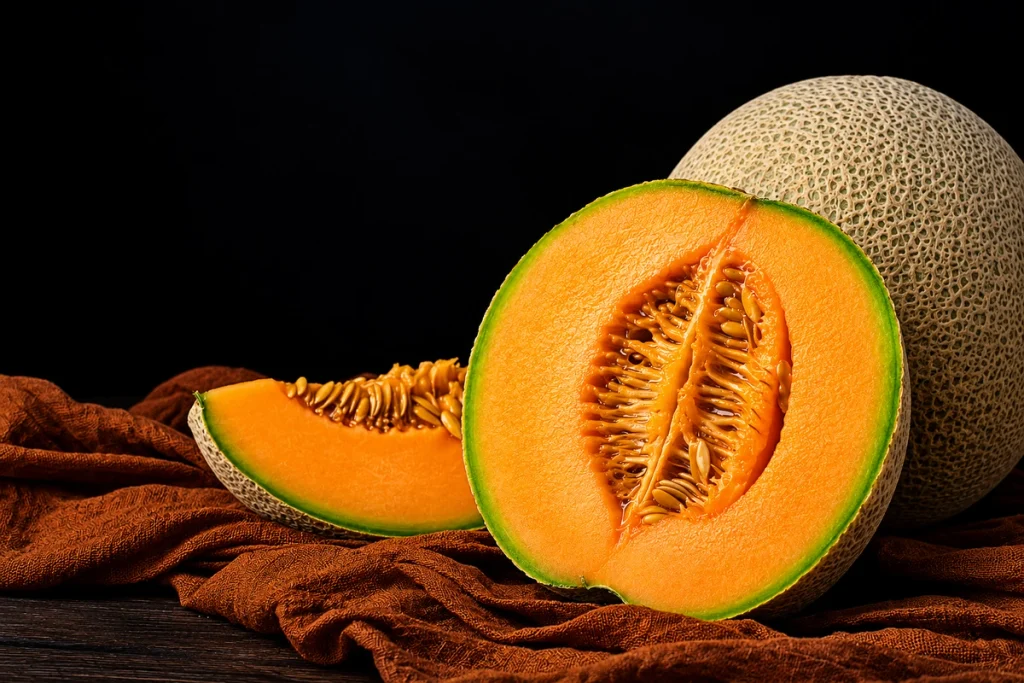
In 2011, a strain of food poisoning bacteria present in cantaloupes caused an outbreak of food poisoning across America. This resulted in 33 deaths.
Jensen Farms, based in Granada, Colorado, produces cantaloupes (called Rocky Ford cantaloupes) and supplies them to shops in multiple states. People consuming these cantaloupes would not be aware that they contained dangerous bacteria.
Cause of Outbreak
Preparation of Cantaloupes changed prior to the 2011 harvest season. Previously, cantaloupes were washed with cold recycled chlorinated water. However, in 2011, cantaloupes were washed with fresh water supplied from the mains with no added chlorination.
To wash the cantaloupes, new machinery (originally intended for washing potatoes) was used. This contained bristles and felt rollers in order to effectively remove dirt. Although the machinery was adapted to allow chlorinated water to be sprayed onto the cantaloupes, it was not implemented.
Also Check | The Festival Where Dogs Are Worshipped
It was found that there were multiple issues with the design and hygiene of this new equipment. The surfaces were difficult to fully clean, meaning that harmful microorganisms may have become trapped.
Wider Issues
As well as the lack of chlorination, other issues were found relating to the hygiene of the facility.
Within the facility, there was insufficient hygiene. It was found that contamination may have occurred within the processing area due to the difficulty of cleaning certain equipment within the facility, and due to a vehicle transporting rejected cantaloupes to a cattle farm.
Additionally, the cantaloupes were not sufficiently cooled after washing. Contamination and growth of bacteria may be affected by the moisture content and temperature of the products.
Lab tests identified Listeria monocytogenes within the cantaloupes and in the facility. It was found that the strains of bacteria were a match to the strains isolated from infected individuals. This strongly implies that the outbreak originated from this farm.
Bacteria in the Rind
Interestingly, the rind of a cantaloupe is rough, net-like texture. This causes many small crevices in which dirt and microorganisms may accumulate.
Typically, the rind of cantaloupes is removed before consumption. However, if the rind contains bacteria, cutting into this fruit can result in cross-contamination between the bacteria on the rind, the knife and the edible portion of the fruit.
Therefore, it may appear that the fruit is safe to eat; however, it may contain dangerous microorganisms in the rind.
Listeria monocytogenes, the bacteria causing the infection in this outbreak, can also cause a serious infection called listeriosis. It is very dangerous to elderly people, pregnant people, newborn babies and those with compromised immune systems. Additionally, Listeria can grow at lower temperatures, such as those in a fridge.
33 deaths in 28 states.
It was determined that 147 cases of infections were caused by the outbreak in 28 different states. Of 145 patients with data on hospitalisation, 143 had to be hospitalised. In total, 33 deaths were attributed to this outbreak by the CDC.
Most individuals affected by the outbreak were elderly, with an average age of 81 years.
Following the outbreak, a nationwide investigation was conducted. The affected cantaloupes were voluntarily recalled. Jensen Farms ceased harvesting and processing cantaloupes in September 2011.
Legal Consequences
In October 2013, Eric and Ryan Jensen, owners of the farm, pled guilty to 6 charges related to introducing adulterated food into interstate trade. This included failing to implement the intended chlorination and distributing contaminated cantaloupes.
Also Check | The Dog Who Waited Nine Years
This incident has highlighted a concerning issue within food safety. Despite a food product being washed in machinery, or having a high inspection score, it may not be safe to consume. Factors such as washing machinery, staff handling, controlling moisture levels and hygiene should all be considered.
Conclusion
The 2011 cantaloupe outbreak highlights the importance of food safety in the early stages of distribution. Decisions made in packing facilities can have serious implications for people thousands of miles away. Even a common task such as cutting fruit can become dangerous if those preparing the food do not consider the risk.